When it comes to shaping the minds of our little ones, preschool centers are the frontlines. They serve as an essential bridge between the carefree days of toddlerhood and the structured world of formal education. But let’s be honest: choosing the right preschool can feel as daunting as assembling a piece of IKEA furniture with no instructions. That’s why this guide strips down the complexities, providing everything you need to know about preschool centers, from their importance to tips for selecting the right one for your child. So grab your coffee (or maybe something stronger) and immerse.
Understanding Preschool Centers
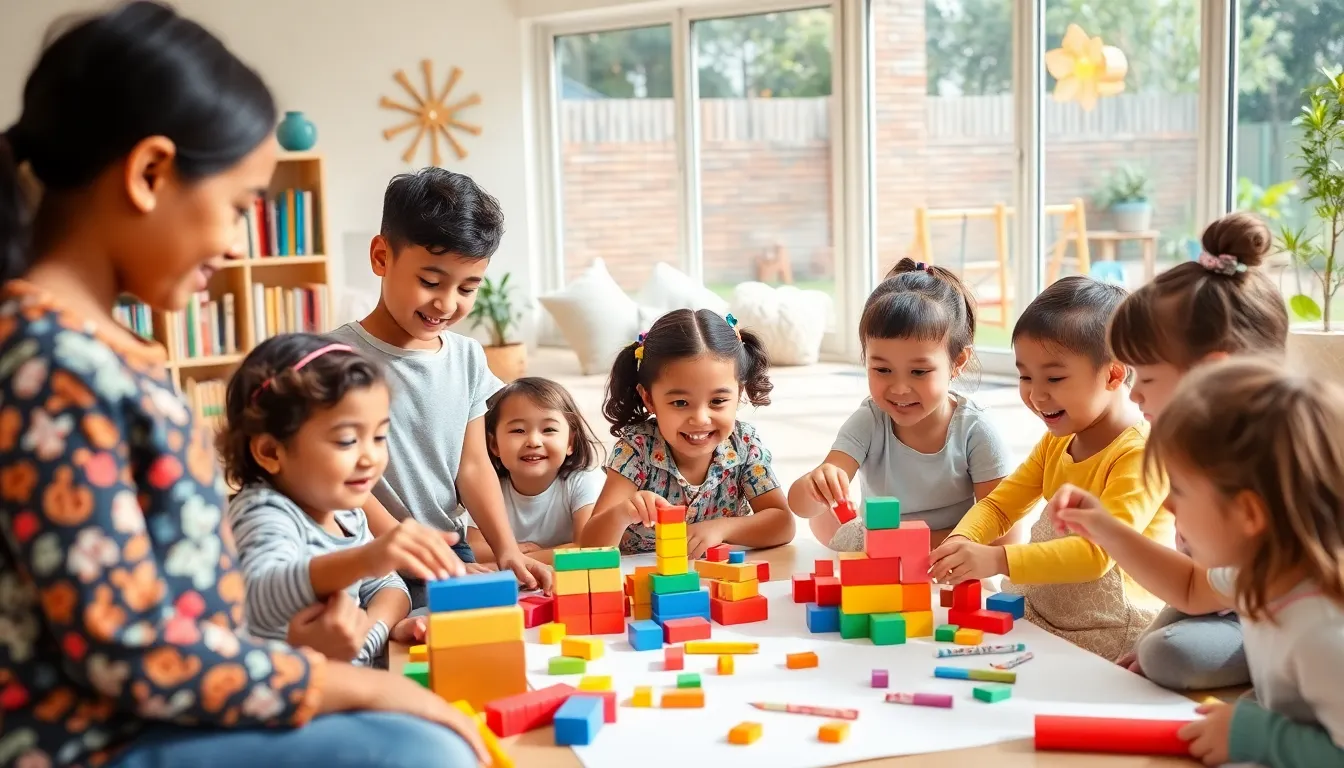
Preschool centers are specialized educational facilities designed for young children, generally between the ages of three and five. The primary goal of these centers is to provide a nurturing environment that fosters not just early education, but also social skills, emotional development, and physical coordination. It’s noteworthy that these centers often cater to a variety of teaching philosophies, ranging from Montessori to Reggio Emilia and even traditional approaches, allowing parents to choose what fits their child best.
Also, preschool centers are often equipped with age-appropriate learning materials, outdoor play areas, and engaging activities. They aim to provide holistic development while ensuring children are ready for a smoother transition into kindergarten. Creating a stimulating space encourages curiosity, creativity, and a love for learning, setting the foundation for future academic success.
Importance of Early Childhood Education
Early childhood education is not merely a rite of passage: it is crucial for laying the groundwork for lifelong learning. Studies have shown that children who participate in quality preschool programs tend to perform better academically in later years. The significance of this early education cannot be overstated, as it enhances cognitive skills, fosters social competencies, and nurtures emotional intelligence.
Beyond academics, early education provides children with opportunities to interact with peers, develop their language skills, and learn the concept of sharing, all vital social skills they will use throughout their lives. Besides, a reliable preschool often serves as a community hub where parents can connect with each other, share experiences, and foster a support network.
Types of Preschool Centers
There are several types of preschool centers, each catering to different educational philosophies and parental expectations. Recognizing these options plays a crucial role in ensuring a good fit for the child.
- Montessori Preschools: These centers focus on child-led, hands-on learning experiences where children explore at their own pace.
- Traditional Preschools: Often more structured, these centers usually follow a set curriculum and standard school hours.
- Play-Based Preschools: Here, the emphasis is on play as a vehicle for learning, prioritizing imaginative and interactive activities.
- Language Immersion Programs: Designed for children to learn a second language, these programs immerse young minds in a new language coupled with cultural exposure.
- Special Needs Preschools: Tailored for children who require individualized support, these centers focus on inclusive practices and specialized programs to meet various needs.
Selecting the Right Preschool Center
Choosing the right preschool is akin to finding that perfect pair of shoes: it requires consideration, patience, and often, a little trial and error. Here are some factors to keep in mind when making this vital decision:
- Philosophy: Understanding the preschool’s educational philosophy is essential. Aligning it with your own values can create a seamless experience for your child.
- Facility Tour: A tour of the facility can provide insight into the atmosphere. Look for cleanliness, safety measures, and a welcoming environment.
- Teacher Qualifications: Well-trained teachers equipped with expertise in early childhood education can make a world of difference.
- Curriculum: Investigate the curriculum to ensure it combines educational content with play. A balanced approach often yields the best results.
- Parent Reviews and Recommendations: Don’t underestimate the power of community feedback. Talking to other parents can shed light on the center’s strengths and weaknesses.
Benefits of Quality Preschool Programs
Quality preschool programs offer a wealth of benefits that extend far beyond the classroom. Here’s a glimpse into some of the most impactful advantages:
- Social Skills Development: Engaging with peers and educators fosters communication, cooperation, and teamwork.
- Enhanced Cognitive Skills: Structured activities and learning experiences serve to sharpen problem-solving abilities and critical thinking skills.
- Routine and Structure: Exposure to routines helps children adjust to more structured environments in elementary school.
- Emotional Growth: Quality programs prioritize emotional intelligence, teaching children to recognize and express their emotions positively.
- Parental Peace of Mind: Knowing that their child is in a nurturing and effectively run program can significantly reduce parental anxiety.
Challenges in Preschool Education
While the benefits are numerous, preschool education is not without its challenges. Some common obstacles faced by parents and educators alike include:
- Funding and Resources: Many preschools struggle with limited funding, impacting the breadth and quality of programs and facilities offered.
- Staff Turnover: High turnover rates can compromise the consistency and quality of education. Children flourish in environments where they build meaningful relationships.
- Parental Involvement: Engaging parents can be difficult, yet their participation is critical for a successful educational experience.
- Cultural Diversity: As schools become increasingly diverse, catering to various cultural needs and practices presents a challenge for educators.
Future Trends in Preschool Education
As society evolves, so too does the landscape of preschool education. Emerging trends that can be anticipated in the future include:
- Technology Integration: With the rise of educational technology, preschools are beginning to incorporate digital learning tools designed to engage young minds effectively.
- Focus on Mental Health: Increasing attention on social-emotional learning aims to prioritize children’s mental health and well-being.
- Personalized Learning Experience: Adaptive learning strategies can help tailor education to individual needs and learning styles, providing a more inclusive approach.
- Sustainability Initiatives: Programs promoting environmental awareness and eco-friendly practices can inspire the next generation to become stewards of the planet.