Every parent thinks they’ve got it all figured out, but let’s face it—parenting is more of an art than a science. From the strict disciplinarian to the laid-back buddy, different parenting styles shape kids in ways that can be as surprising as finding a hidden stash of candy in a toddler’s room. Understanding these styles isn’t just for academic debates; it’s essential for raising well-rounded, resilient humans who might one day take over the world—or at least their own messy bedrooms.
The effects of various parenting approaches can ripple through a child’s development, influencing everything from emotional intelligence to social skills. So, whether you’re a helicopter parent or a free-range enthusiast, it’s time to explore how these styles impact kids. Get ready to dive into the delightful chaos of parenting styles and discover what really makes kids tick (or tock, if they’ve taken over your clock).
Overview Of Parenting Styles
Parenting styles encompass numerous approaches that parents adopt in raising their children. Each style carries distinct characteristics and impacts a child’s development differently. Authoritative parents balance expectations with support, often fostering independence and self-reliance. These parents set clear standards but also encourage open communication, nurturing a child’s emotional growth.
In contrast, authoritarian parents prioritize strict rules and high expectations, often yielding a controlled environment. This approach may instill discipline, but it can hinder a child’s creativity and decision-making skills. Permissive parents, on the other hand, offer warmth and freedom, promoting a lax structure. Although this style encourages self-expression, it may lead to issues with boundaries and responsibility.
Neglectful parenting reflects a lack of involvement, where parents are emotionally uninvolved and fail to meet children’s basic needs. This style can severely impact a child’s emotional stability and social skills, leading to feelings of isolation. Studies show that children raised in a neglectful environment often struggle with anxiety and low self-esteem.
Each parenting style introduces a unique set of advantages and drawbacks. Recognizing these approaches helps parents reflect on their methods, guiding them toward more effective techniques. Exploring the effects of these styles can illuminate how they shape children, influencing their future relationships, personality, and coping mechanisms. By understanding parenting styles, parents can make informed decisions that promote healthier development.
Authoritative Parenting
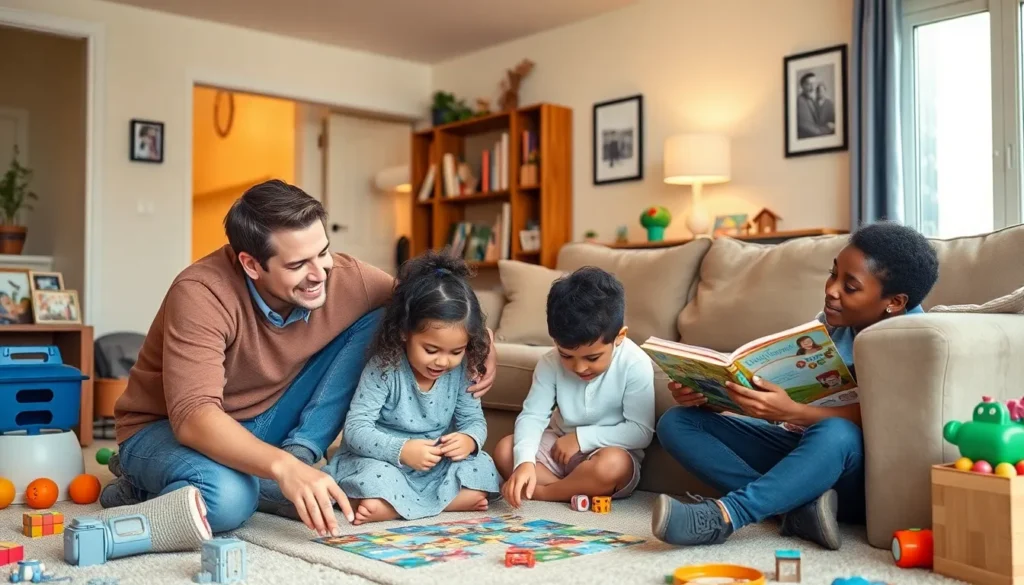
Authoritative parenting represents a balanced approach that combines high expectations with emotional support. This style promotes a healthy environment where children thrive.
Characteristics
Authoritative parents maintain clear rules and guidelines while also encouraging independence. They exhibit warmth and responsiveness to their children’s needs. Open communication serves as a foundation, allowing children to express thoughts and feelings freely. Support is part of the discipline, fostering a sense of responsibility and self-discipline. Flexibility in enforcing rules adapts to individual circumstances, reinforcing a child’s understanding of consequences. Parents create a nurturing atmosphere where children feel valued and understood.
Effects On Children
Children raised by authoritative parents exhibit higher self-esteem and better social skills. They often demonstrate improved emotional regulation, allowing for healthier peer relationships. Academic performance tends to be higher, as these children feel motivated and supported in their learning. This parenting style also encourages critical thinking, enabling kids to make sound decisions independently. Overall, the positive effects of authoritative parenting contribute significantly to a child’s well-rounded development.
Authoritarian Parenting
Authoritarian parenting emphasizes strict discipline and high expectations. This style often relies on command and control rather than nurturing and support.
Characteristics
High demands define authoritarian parents. They set clear, rigid rules without much room for flexibility. Strict discipline measures come into play when children don’t comply. Communication tends to be one-way, with parents imposing directives rather than encouraging dialogue. Parents using this approach expect obedience and conformity. Emotional warmth is often limited, focusing more on control than connection.
Effects On Children
Children raised under authoritarian parenting may struggle with self-esteem and social skills. They often exhibit high levels of anxiety due to fear of failure or punishment. Creativity and decision-making skills may be stifled, limiting their independence. These children sometimes see authority figures as distant, which can affect future relationships. Academic performance may vary; while some thrive under pressure, others may feel overwhelmed and underperform. Emotional regulation often becomes challenging, resulting in difficulties expressing feelings and navigating social situations.
Permissive Parenting
Permissive parenting allows children significant freedom in decision-making. Parents in this style often prioritize self-expression and creativity over strict rules.
Characteristics
Permissive parents maintain a relaxed approach to rules and expectations. They emphasize open dialogue, encouraging children to voice their opinions. These parents often avoid imposing limits, which can foster a friendly atmosphere. Emotional warmth defines many permissive families, creating strong connections. However, the lack of boundaries sometimes leads to unclear expectations regarding behavior.
Effects On Children
Children raised by permissive parents often exhibit high levels of creativity and self-confidence. They may develop strong communication skills due to the open dialogue encouraged at home. On the other hand, some children struggle with self-discipline and respect for authority. These children might have difficulty setting limits for themselves and often experience challenges with peer relationships. A lack of boundaries can also lead to impulsive behavior, impacting overall performance in structured settings like school.
Uninvolved Parenting
Uninvolved parenting refers to a style where parents exhibit minimal responsiveness and involvement in their child’s life. This approach results in limited emotional connection and guidance, impacting the child’s overall development.
Characteristics
Uninvolved parents often provide basic needs like food and shelter but lack engagement. Their expectations for their children are usually unspecified, leading to a lack of direction. Communication may be minimal, resulting in a distant relationship. Many uninvolved parents prioritize their own needs over their child’s emotional well-being. This style reflects a lack of monitoring or supervision, allowing children to make decisions without guidance.
Effects On Children
Children raised in uninvolved households often struggle with emotional competence, experiencing difficulties in forming meaningful relationships. They may exhibit low self-esteem and face challenges in academic settings due to lack of support. Social skills often deteriorate, leading to isolation and misunderstandings in peer interactions. Many children may also engage in risky behaviors, as they lack parental guidance and oversight. Long-term effects include a higher likelihood of mental health issues, such as anxiety and depression.
Understanding the effects of different parenting styles is crucial for fostering a child’s healthy development. Each approach carries unique advantages and challenges that can shape emotional intelligence and social skills. By recognizing these influences parents can make informed choices that promote positive growth.
Embracing a balanced style like authoritative parenting can lead to improved self-esteem and better relationships. On the other hand, being aware of the potential pitfalls of authoritarian, permissive, and uninvolved approaches can help parents avoid common traps. Ultimately, the journey of parenting is about finding the right balance that nurtures a child’s individuality while providing the support they need to thrive.