Uninvolved parenting may sound like a breezy, leave-your-kids-to-their-own-devices approach, but don’t let its casual facade fool you. Picture a parent so engrossed in their phone that they forget to check if their child is thriving or just surviving. Funny how we think ‘freedom’ means leaving kids to figure things out on their own, but this style often leaves more tangled webs than smooth sailing. In this text, we’ll investigate into the enigma of uninvolved parenting styles, unpack their characteristics, impacts, and, yes, even some hopeful strategies for improvement.
Defining Uninvolved Parenting
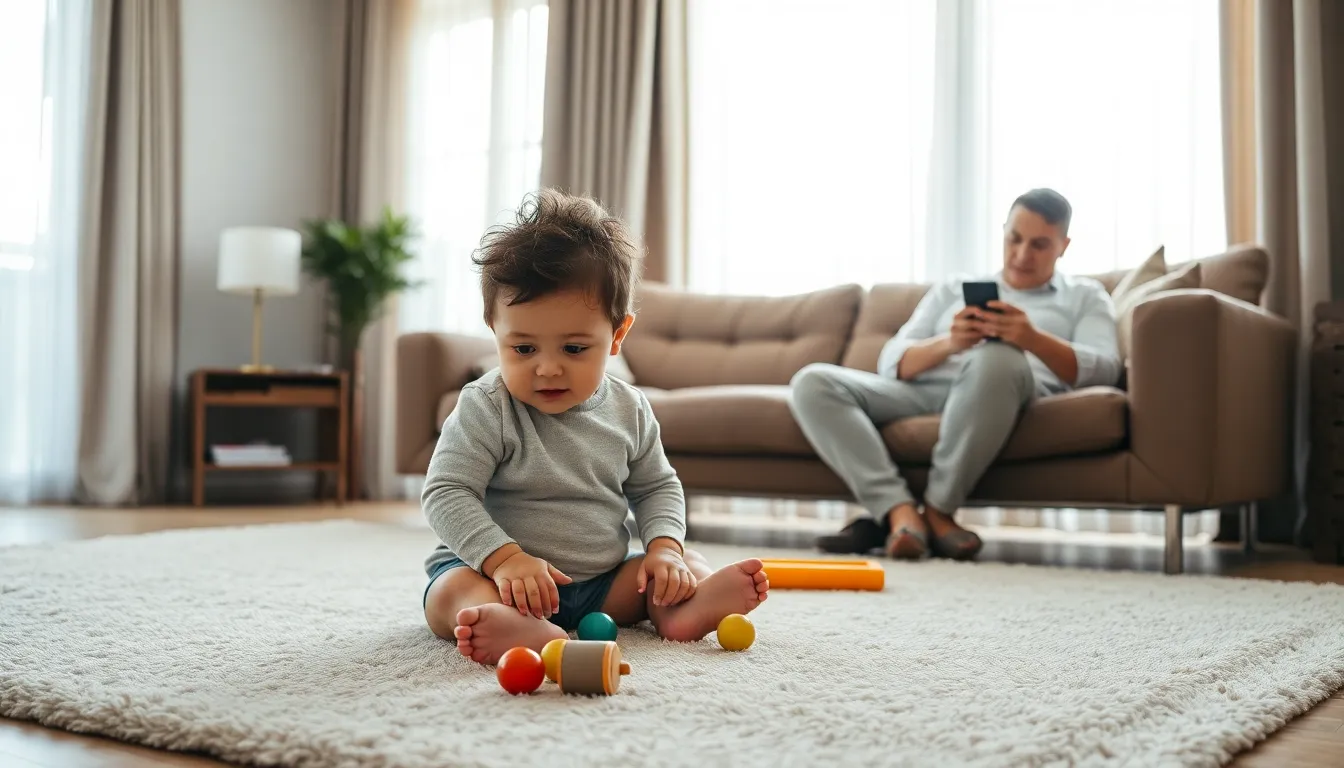
Uninvolved parenting, often referred to as neglectful parenting, is characterized by a lack of responsiveness to a child’s needs. It doesn’t mean that the parent is outright neglectful in the traditional sense, but rather that they lack both the emotional investment and engagement required for healthy developmental support. This parenting style can manifest in various ways, from minimal supervision to a general disinterest in a child’s activities and emotions. While some parents might believe they’re giving their kids room to grow independently, uninvolved parenting trends toward neglect and can significantly hinder a child’s development.
Characteristics of Uninvolved Parents
Uninvolved parents often display a few distinct characteristics:
- Emotionally Unavailable: These parents typically don’t provide emotional support or validation. When a child is upset or needs guidance, they’re likely to receive indifference rather than comfort.
- Neglectful Supervision: Forget about curfews or who your kids are hanging out with: uninvolved parents usually let their children roam freely without offering any structured oversight.
- Low Expectations: Uninvolved parents generally have low expectations for their children’s achievements, placing little value on education or personal growth.
- Indifference to Activities: Whether it’s sports, school projects, or social events, uninvolved parents show little interest or participation in their children’s lives. This lack of engagement can leave children feeling unappreciated and alone.
Impact on Child Development
The impact of uninvolved parenting can be profound and far-reaching. Children raised in these environments often experience a range of challenges, including:
- Low Self-Esteem: Without parental validation, kids may struggle to develop a healthy self-image and confidence in their abilities.
- Academic Struggles: Lack of supervision often leads to poor academic performance. Without parental guidance, children might not take their education seriously.
- Social Issues: These children may find it difficult to form healthy relationships. They often feel neglected, leading to feelings of loneliness or alienation from peers.
- Behavioral Problems: There’s a correlation between uninvolved parenting and increased behavioral issues in children. Lack of discipline and guidance often manifests as disregard for rules, authority, and social norms.
Comparing Uninvolved Parenting to Other Styles
When evaluating uninvolved parenting against other styles, it’s essential to identify distinct differences:
- Authoritative Parenting: This style is the polar opposite. Authoritative parents set clear expectations while providing the support and guidance needed for children to thrive.
- Permissive Parenting: Unlike uninvolved parents, permissive parents show affection and warmth but often fail to set boundaries. While permissive styles may lack discipline, they still foster a level of emotional connection.
- Authoritarian Parenting: While both uninvolved and authoritarian parents lack warmth, authoritarian parents impose strict rules and demands, contrasting with the apathy of uninvolved parenting. Understanding these distinctions highlights the varying levels of engagement and support in each style.
Strategies for Improvement
Improvement starts from awareness. Uninvolved parents can undertake several strategies to foster change:
- Increase Awareness and Engagement: Parents should recognize the importance of their role in their child’s life. This involves taking the time to engage in activities together, asking questions, and being present.
- Set Boundaries: Establishing clear guidelines can help create a structured environment, providing both security and freedom for the child.
- Seek Support: Joining parenting groups or seeking guidance from professionals can offer tools to improve engagement and effectiveness.
- Reflect on Their Own Experiences: Often, the parenting style stems from their upbringing. Reflecting on these influences can lead to healthier parenting choices.
Long-Term Effects on Relationships and Behavior
The long-term effects of uninvolved parenting can permeate into adult relationships and behavior. Individuals raised in such environments may exhibit:
- Difficulty in Forming Relationships: Many struggle to build emotional connections, finding intimacy challenging due to their background of neglect.
- Issues with Authority: Adults from uninvolved backgrounds often possess a distrust of authority, leading to conflicts in workplaces and social scenarios.
- Struggles with Commitment: Relationships can feel intimidating for many, resulting in a pattern of short-lived interactions rather than lasting bonds. Understanding these potential outcomes can be instrumental in addressing and reversing the cycle of uninvolved parenting.