Table of Contents
TogglePlay isn’t just about fun and games; it’s the secret sauce for child development. Imagine a world where kids learn life skills while pretending to be superheroes or building empires out of blocks. Sounds like a dream, right? Well, it’s a reality through the magic of play.
Overview of Play in Child Development
Play serves as a fundamental mechanism for child development, fostering growth in various areas. Children enhance social skills during group activities. They learn cooperation, negotiation, and empathy when engaging in collaborative play.
Cognitive development significantly benefits from play. Through imaginative activities, kids explore complex concepts and problem-solving strategies. Pretending to be superheroes or creating structures with blocks encourages critical thinking and creativity.
Physical development also occurs during play. Movement-based games strengthen motor skills and coordination. Running, jumping, and climbing improve physical fitness while promoting healthy lifestyle choices.
Emotional health finds support through play as well. Kids express their feelings and process experiences during unstructured play. Engaging in role play helps them understand emotions like fear or joy, encouraging emotional resilience.
Play types vary, and each type contributes uniquely to development. Free play allows children to direct their own activities, cultivating independence and decision-making. Guided play provides adult support without limiting creativity, enhancing learning opportunities.
Understanding the diverse benefits of play highlights its transformative role in nurturing well-rounded individuals. Integrating various play types fosters holistic development, preparing children for future challenges.
The Importance of Play
Play serves as a crucial element in child development, facilitating growth across multiple dimensions. Engagement in various types of play significantly enhances cognitive, emotional, and social skills.
Cognitive Development
Imaginative play fosters creativity. Children develop critical thinking skills when they create their scenarios or build structures. Structured play activities, such as puzzles and games, sharpen problem-solving abilities while promoting strategic thinking. Engaging in these activities strengthens memory and encourages children to explore new ideas. Notably, children who participate in diverse play experiences demonstrate enhanced focus and attention spans.
Emotional Development
Play provides a safe environment for children to explore and express their feelings. Through role-playing or storytelling, kids process emotions, enabling better understanding of their emotional responses. Engaging in group play builds resilience, as children learn to handle wins and losses. Empathy blooms during shared activities, fostering an ability to relate to others’ feelings. Overall, play nurtures emotional intelligence by helping children navigate their feelings and build confidence.
Social Skills
Social interactions during play teach vital cooperation skills. Children learn to share, take turns, and collaborate, essential components of effective teamwork. Negotiation skills emerge when navigating rules while playing games. Conflict resolution becomes easier as children learn to express needs and mediate disagreements. Through regular social play, kids also build friendships, gaining a sense of belonging and community.
Types of Play
Different types of play contribute significantly to child development, facilitating various skills and learning opportunities.
1. Physical Play
Physical play involves activities that promote movement. Children engage in running, jumping, and climbing, enhancing their motor skills. This type of play boosts physical fitness, allowing kids to develop strength and coordination. Examples include playing tag, riding bikes, or participating in sports. Engaging in physical play also supports emotional health, as children experience joy and mitigate stress during movement. Overall, these activities foster healthy development and establish a foundation for an active lifestyle.
2. Constructive Play
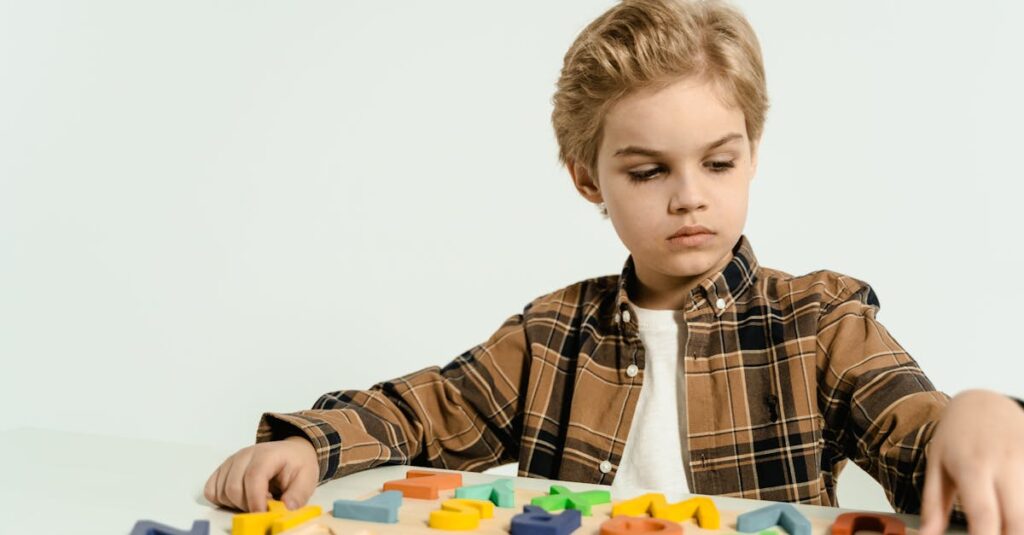
Constructive play focuses on creating and building. Children utilize blocks, Legos, or art supplies to construct structures, nurturing spatial awareness and fine motor skills. Engaging in such activities enhances problem-solving abilities, allowing kids to experiment with balance and design. This type of play inspires creativity, as children envision and realize their ideas. Practical examples include building a fort or assembling a puzzle. Through constructive play, children not only create tangible products but also cultivate critical thinking skills essential for future challenges.
3. Pretend Play
Pretend play involves role-playing and imagination. Kids often act out various scenarios, such as being superheroes or parents, fostering creativity and narrative skills. Engaging in this type of play allows children to explore emotions and practice empathy. Using props or dress-up clothes enhances the experience, fueling cognitive development and social interaction. Examples include playing house or steering a make-believe car. Pretend play encourages children to navigate real-world scenarios, helping them develop essential social skills and emotional intelligence.
4. Games with Rules
Games with rules emphasize structured play. Children participate in activities that involve following specific guidelines, enhancing social and cognitive skills. Examples include board games, soccer, or tag, where players learn fairness and cooperation. Such games build critical thinking, as kids strategize to win while navigating competition. This type of play teaches the importance of rules and boundaries, fostering respect for others. Through structured games, children develop skills necessary for teamwork, conflict resolution, and forming lasting friendships.
Benefits of Each Type of Play
Physical play offers numerous advantages for children. It strengthens motor skills, enhances coordination, and promotes physical fitness. Children also experience emotional benefits, such as reduced anxiety and improved mood through active engagement.
Constructive play plays a crucial role in cognitive development. It nurtures problem-solving skills as children figure out how to build and create. Spatial awareness develops as they manipulate objects, while creativity flourishes in the process.
Pretend play fosters imagination and empathy in young ones. Role-playing scenarios allow children to explore emotions and understand different perspectives. By acting out various roles, they build social skills essential for forming connections with peers.
Games with rules contribute to social development by teaching fairness and cooperation. Children learn the importance of taking turns and following guidelines, which helps in conflict resolution. Critical thinking emerges as they strategize and adapt throughout gameplay.
Engaging in these different types of play enriches overall child development. Each type serves unique benefits that combine to support social, emotional, cognitive, and physical growth. By encouraging diverse play experiences, caregivers lay the groundwork for well-rounded individuals equipped for future challenges.
Embracing the various types of play is essential for fostering well-rounded development in children. Each play type contributes uniquely to their growth journey by enhancing social skills cognitive abilities and emotional resilience. By encouraging physical play constructive play pretend play and games with rules parents and educators can create an enriching environment that nurtures creativity cooperation and critical thinking.
Recognizing the significance of play in childhood not only supports immediate learning but also lays a strong foundation for future success. As children engage in diverse play experiences they develop the skills necessary to navigate life’s challenges with confidence and adaptability. Prioritizing play is a vital investment in a child’s overall well-being and future potential.